7 Cost-Saving Strategies for Restaurants Facing Tariffs and Rising Costs
- May 20, 2025
- 4 minutes read
How to Protect Restaurant Margins During Economic Pressure
Prefer to listen? Hear this article narrated below.

/
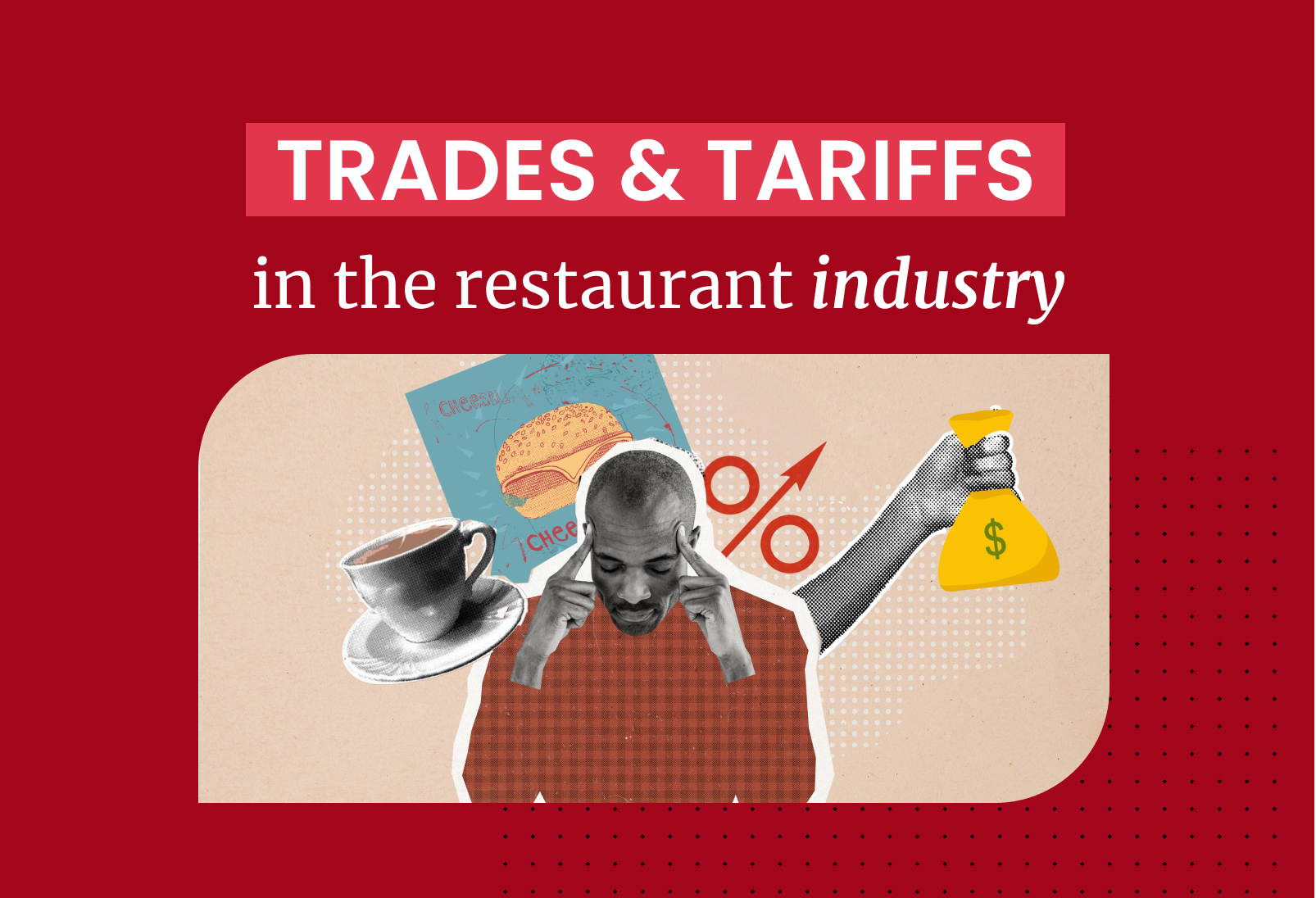
With shifting tariffs and rising costs on everything from seafood and coffee to kitchen equipment and packaging, independent restaurants are feeling the squeeze. Profit margins are thinner, and operational costs are less predictable. As we write this article, the broad 10% tariffs are still in effect, and the tariffs on Chinese imports have been reduced from 145% to 30%, but this can quickly shift. Here are 7 smart ways to protect your bottom line, and stay ahead.
1. Communicate with Your Guests
Transparency brings trust. Add a brief note to your menu and website explaining how global supply issues or tariffs may affect pricing and availability. If possible, share the message on social media. A quick Instagram or Facebook post can reassure guests you are doing everything you can to maintain quality and service even during a challenging market.2. Cut Back on Imports (We Know, Easier Said Than Done)
Switching suppliers isn’t always easy. But even a few small changes can help you save. Try building relationships with local vendors you trust, it can make pricing and availability more predictable. Some restaurant owners also join buying groups to get better bulk pricing and share delivery costs. And if it fits your business, a seasonal menu is a great way to highlight local ingredients and reduce reliance on imported goods.3. Rethink Your Menu
Now is the time to audit your menu. Highlight dishes that offer high profit margins and swap in ingredients that are less affected by tariffs. Consider creating dynamic pricing and a flexible “market menu” that can adapt to supply fluctuations without compromising your reputation or quality. Add portion control strategies. Fine-tuning serving sizes can protect margins without noticeably affecting the customer experience.4. Track Performance Closely
Staying on top of your numbers helps you spot problems early and make smarter decisions. Track costs in real time: Use technology to monitor price changes and make informed purchasing decisions, before they eat into your margins. Streamline operations: Look for tools that help automate tasks, simplify prep, and speed up service. Shift from phone orders to direct orders on your website. Even small efficiency improvements can reduce labor costs and increase revenue.5. Control Waste and Spoilage
With rising ingredient costs, minimizing waste isn’t optional, it’s essential. Track what’s actually being used, what’s expiring, and where over-ordering might be happening. Simple changes like labeling inventory with delivery dates and using FIFO (First In, First Out) can help ensure older items are used before newer ones.5. Control Waste and Spoilage
With rising ingredient costs, minimizing waste isn’t optional, it’s essential. Track what’s actually being used, what’s expiring, and where over-ordering might be happening. Simple changes like labeling inventory with delivery dates and using FIFO (First In, First Out) can help ensure older items are used before newer ones.6. Rethink Third-Party Delivery Apps
It might be tempting to raise your menu prices on third-party apps to cover the 20–30% commissions. But today’s price-sensitive customers will notice, and many may skip your restaurant if they see inflated prices. By shifting more traffic to your own direct online ordering system, you not only protect your margins but also keep full control over branding, menu options, and customer experience.7. Build Loyalty
Acquiring new customers is expensive. Retaining them? Much cheaper, and more rewarding. Launch a loyalty program (or refresh your existing one) that offers perks, points, or exclusive access to savings. Don’t underestimate the power of a great email or SMS campaign to keep your regulars coming back, especially when they know you’re a local business navigating a challenging time.How Promenade Can Help
Promenade helps restaurants keep more of what they earn by driving direct orders through their own website and reducing reliance on third-party delivery apps. With transparent, restaurant-friendly pricing and no hidden fees, Promenade offers tools to save time and money, including menu control, a network of delivery drivers, a loyalty program and automated marketing. SEO and email marketing are included, with no extra budget or staff needed. We’re here to help you cut costs, protect margins, and run a more profitable restaurant, especially now. Schedule a consultation to learn more! Note: Tariff rates and policies are based on reporting as of May 2, 2025. Due to the rapidly evolving nature of the trade policy, figures may change.We are proud to say this content was crafted by our in-house team, not generated by AI. We believe florists deserve stories and resources rooted in real knowledge, experience and most importantly, heart ♥️